As January 2026 gets closer, many Americans are hearing about a $2,000 federal direct deposit that may arrive in their bank accounts. The news has spread quickly through social media, blogs, and online videos, creating both hope and confusion. With the cost of living still high, even a one-time payment can feel like much-needed relief for households managing daily expenses. Understanding the facts behind this payment is important to avoid stress and misinformation.
Why the $2,000 Federal Payment Was Approved
In late 2025, Congress passed a federal relief law that was signed by the President. This law approved a one-time $2,000 payment for eligible Americans. The purpose of this payment is not long-term support or luxury spending. Instead, it is designed to give short-term financial breathing room to people facing ongoing cost pressures. Rising prices for groceries, housing, healthcare, and transportation have strained many budgets, and lawmakers recognized the need for targeted help.

Who Is Eligible for the Payment
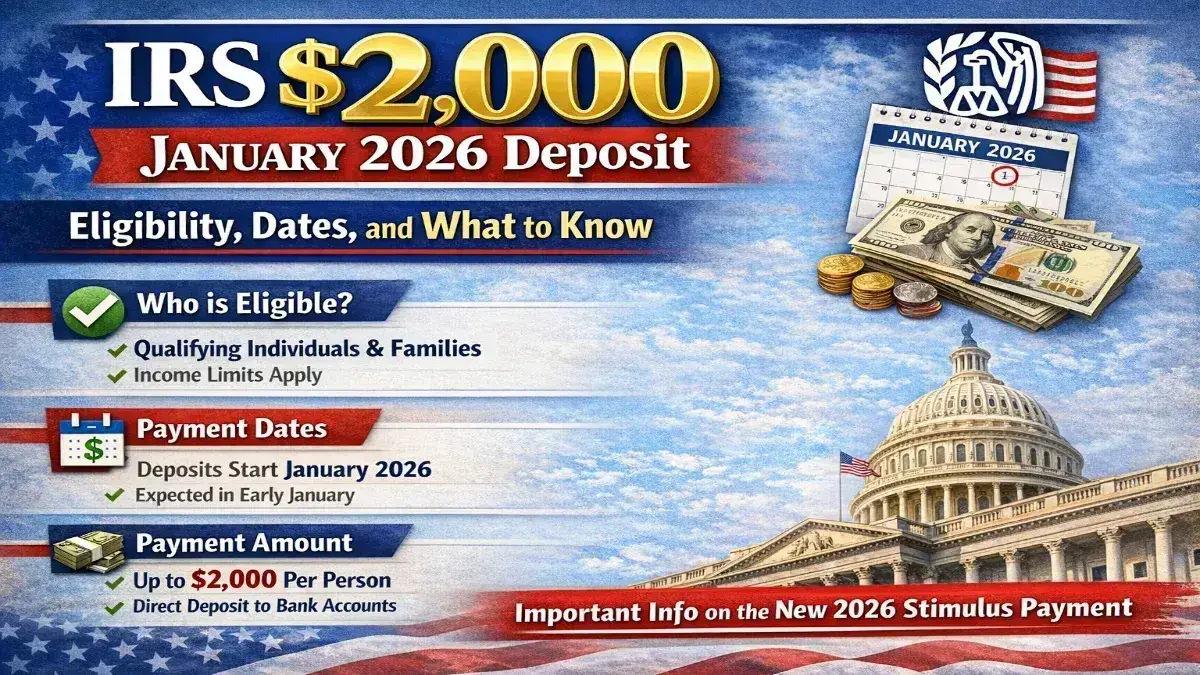
Not everyone will receive the $2,000 deposit. Eligibility mainly depends on income level and tax records. The government uses information from 2024 federal tax returns to decide who qualifies. Individuals must have filed their 2024 taxes so the IRS can confirm income and payment details. The payment is issued per eligible adult, and unlike some earlier programs, there is no additional amount for dependents. Federal residency rules also apply, including U.S. citizens, permanent residents, and certain qualifying resident aliens.
Payment Timeline and Delivery Method

The IRS plans to send payments throughout January 2026 rather than on one single date. People who filed their 2024 tax returns early and chose direct deposit are expected to receive the money first. Others will see payments arrive in later waves during the month. Those without direct deposit information on file will receive paper checks by mail, which may take extra time due to processing and delivery.
How to Avoid Delays and Scams
Direct deposit is the fastest and safest way to receive the payment. If your bank details on your tax return are correct, no action is required. It is also important to stay alert for scams. Fraudsters often send fake messages asking for personal or banking information. The IRS does not contact people by text, email, or social media, so such messages should be ignored.

Why This Payment Matters
For many families, $2,000 can help pay bills, reduce debt, or manage urgent expenses. While it is not a permanent solution, it can ease financial pressure at the start of the year. Staying informed helps people plan wisely and avoid disappointment caused by false claims.
Conclusion

The federal $2,000 direct deposit planned for January 2026 is a real, one-time payment meant to support eligible Americans. Knowing the eligibility rules, timeline, and delivery process can make the experience smoother and less stressful. Always rely on official government sources for accurate updates.
Disclaimer: This article is for informational purposes only and does not provide financial, tax, or legal advice. Eligibility rules, payment timelines, and program details may change. Readers should check official government websites such as IRS.gov and Treasury.gov for the most accurate and up-to-date information.