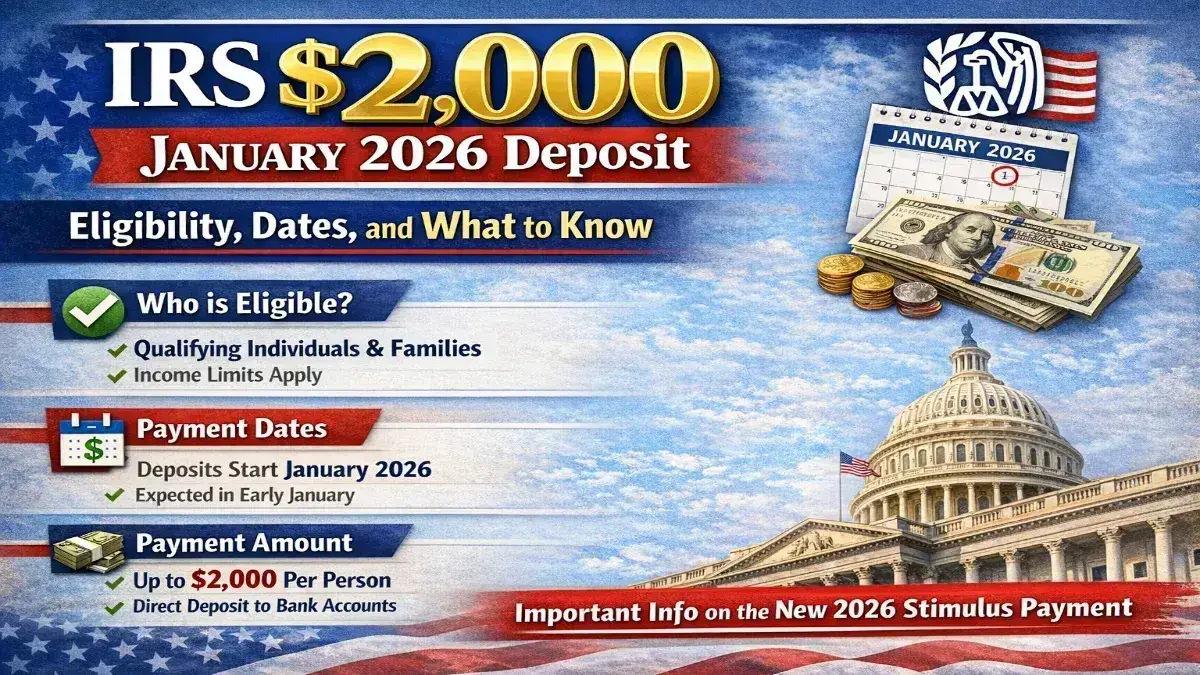
As January 2026 gets closer, many Americans are seeing social media posts claiming that a $2,000 federal deposit is coming soon. These posts often sound confident and urgent, making it seem like the payment is already approved. For people dealing with high living costs, the idea of extra money arriving at the start of the year feels hopeful. However, the reality behind these claims is much different from what is being shared online.
No Official Confirmation of a Universal Payment
At this time, no US government agency has confirmed a nationwide $2,000 payment for January 2026. The IRS, US Treasury, and Social Security Administration have not announced any new stimulus or federal relief deposit. There is also no law passed by Congress that authorizes a universal payment of this kind. Large federal payments do not happen quietly, and without official announcements, these claims remain unverified.
Why the Rumor Keeps Coming Back
The idea of a $2,000 federal deposit is strongly connected to memories from the pandemic years. During that period, stimulus checks helped millions of families manage basic expenses. Those payments created a lasting expectation that financial help might return during difficult times. When people now see similar dollar amounts mentioned online, it feels familiar and believable, even if there is no real policy behind it.

Why Some People May Still See $2,000 Deposits
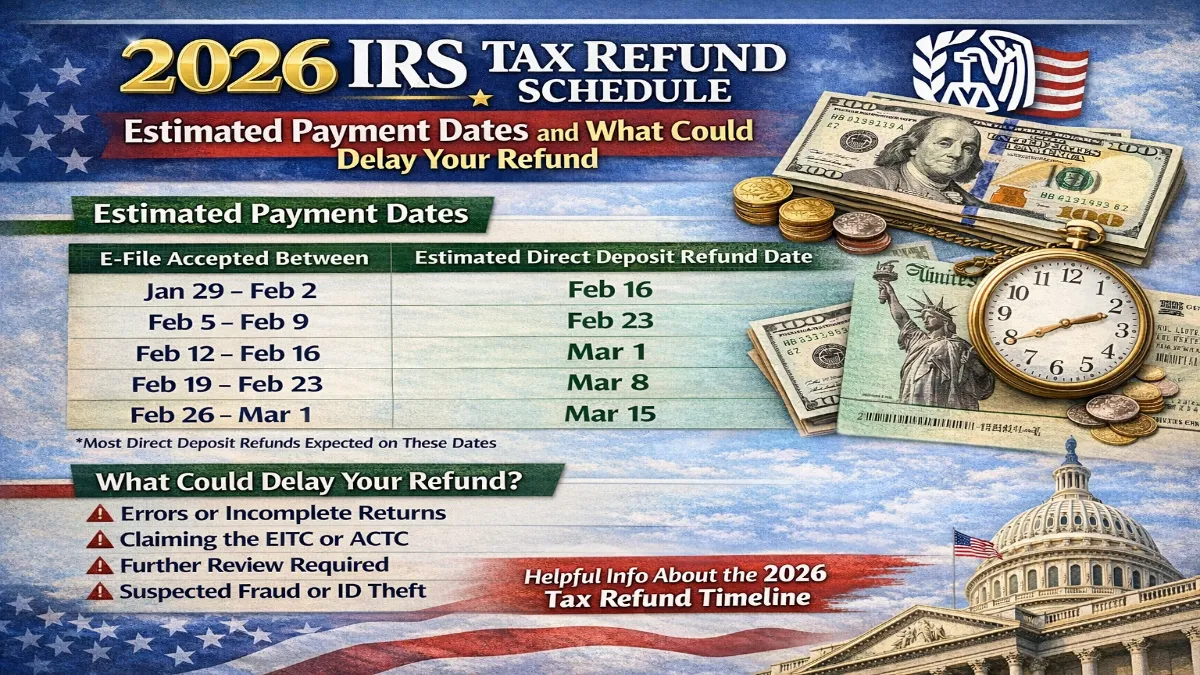
Some Americans will actually receive deposits close to $2,000 in early 2026, but these are not new stimulus payments. Most of these deposits are regular tax refunds. Credits such as the Child Tax Credit or Earned Income Tax Credit can increase refund amounts. When these refunds arrive with a “US Treasury” label, they can be mistaken for a new federal payment.
Targeted Payments Create Confusion
Another reason for misunderstanding is that some federal payments are meant only for specific groups. Veterans, military members, or government employees may receive bonuses, back pay, or adjustments tied to their programs. When these limited payments appear online without explanation, people may assume they apply to everyone, which is not true.
Increased Risk of Scams
Whenever rumors of federal money spread, scams usually follow. Fake messages may claim that a payment is pending and ask for personal or banking information. Government agencies do not request sensitive details through random texts, emails, or social media messages. Any message asking for fees or personal data should be treated as suspicious.

What to Expect Moving Forward
If the government approves any future nationwide payment, it will be announced clearly through official channels. Until then, Americans should rely on verified sources and avoid sensational claims online. Careful verification is the best way to avoid confusion and protect personal information.
Disclaimer
This article is for informational purposes only and does not provide financial, tax, or legal advice. Government programs, benefits, and payment schedules may change. Readers should consult official US government websites or qualified professionals for guidance related to their individual situation.